
Best Crypto Hardware Wallets in 2026: How to Choose the Right Cold Wallet
“Not your keys, not your coins” is probably the most fundamental principle underlying the whole cryptocurrency industry, and therefore, keeping your keys safe is of utmost importance. Crypto hardware wallets remain to this day one of the strongest tools for long-term crypto self-custody, as they help keep private keys away from everyday phones, laptops, and browser wallets, which reduces the chance of exposing the keys that control your funds. Essentially, hardware wallets allow you to store your keys on a device that is not connected to the internet, and as a consequence, it makes it impossible for a hacker to steal your keys.
For the longest time, Ledger and Trezor were the two main hardware wallet providers, but in 2026, many more options exist. Today, one can find a variety of secure element wallets, open-source devices, air-gapped hardware wallets, Bitcoin-only signers, NFC cards,and recovery-focused products.
Faced with a multitude of options, making the right choice for you may be quite a task, as the wallet you choose depends on what you hold, how often you transact, how technical you are, and how you plan to recover access if something goes wrong.
Key Takeaways
Let’s start by stating the obvious: there is no single best crypto hardware wallet for everyone, and choosing the right wallet for you is fundamental.
If you are new to the space, with limited technical abilities, and own a variety of crypto assets, Ledger is a strong choice. We believe that Trezor and BitBox02 Nova suit users who value transparency above anything else, while Keystone 3 Pro and NGRAVE ZERO are strong air-gapped options. Additionally, Tangem is useful for mobile-first simplicity, although one has to mention that its screenless design has verification trade-offs.
If your main concern is recovery if something goes wrong, Cypherock X1 and Bitkey stand out, while if you are a Bitcoin maximalist, you should probably consider Coldcard, Passport, Jade, and Bitkey.
Before diving deeper, we have to state that although a hardware wallet reduces risk, it will not protect users from phishing, fake devices, malicious approvals, or poor backup habits, and therefore, even if you make use of a hardware wallet, which we strongly suggest, it is not a bulletproof strategy. Ultimately, you should always remain vigilant of creative phishing attacks and make sure that you buy the wallet from the official website.
How We Reviewed the Best Crypto Hardware Wallets
For the sake of clarity, please note that this article is not a popularity ranking. Each crypto hardware wallet was assessed by security architecture, recovery design, transaction verification, asset support, open-source transparency, ease-of-use, track record, ecosystem support, and practical limitations.
A wallet can be excellent for one user and wrong for another. A Bitcoin saver, a DeFi user, and a beginner worried about losing a seed phrase all have different needs.
Now, with that out of the way, let’s start to dig deeper.
What Is a Crypto Hardware Wallet?
A very common misconception is that a hardware wallet stores your coins within it, but that is not the case. Your coins are always on the blockchain. So what does a hardware wallet do?
Basically, a hardware wallet stores your private keys within the device, helping to keep them secure. If you wish to make a transaction, the blockchain network needs to verify that the transaction has been authorised by the private key that controls those crypto assets. The hardware wallet shows you the details of the transaction and prompts you to either approve or reject it on the device. If you approve it, the wallet signs the transaction internally, without ever exposing the private key to your phone or computer. The signed transaction can then be sent to the network for processing.
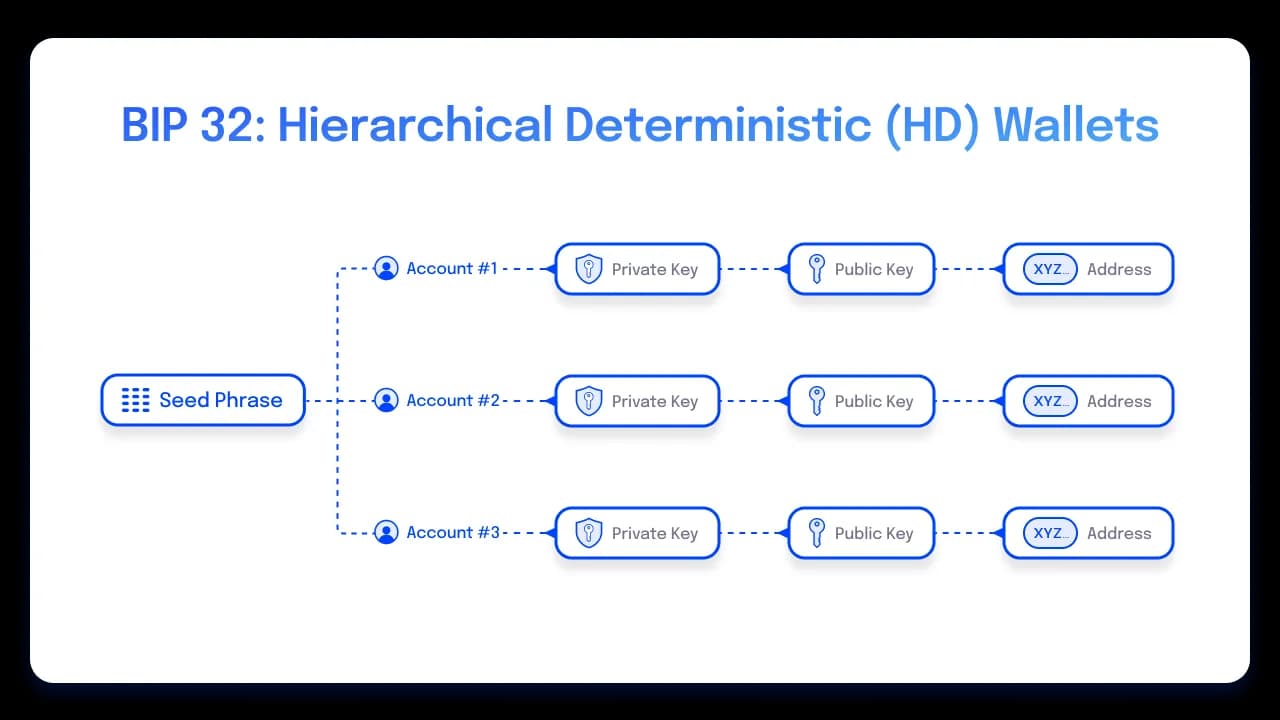
If you would like to dive deeper into this topic, we highly suggest that you research hierarchical deterministic wallet designs, covered by BIP32, and seed phrase recovery based on BIP39.
Why Recovery Design Matters
Many users focus the majority of their research efforts on the device itself, but recovery is often the bigger issue. If your wallet is lost or damaged, you can simply restore access to your coins by making use of your seed phrase. At the same time, if an attacker gains full access to your seed phrase, either by stealing it or taking a photograph, for example, they would effectively now control all your funds.
Seedless systems can reduce some of the risks that come with traditional recovery phrases, but they do not remove the need to think carefully about recovery. They simply change how recovery works. Tangem, for example, uses backup cards, while Cypherock spreads key control across a vault and cards. Bitkey takes another route with a two of three recovery model.
Before storing serious funds, make sure you understand what would happen if your device breaks, your phone is lost, your backup is damaged, or your family needs to recover the funds without you. For a deeper look at different recovery models, the Bitkey product overview and Cypherock security audit material are both useful references.
Best Crypto Hardware Wallets in 2026
Let’s now have a quick overview of what the best hardware wallets are in 2026.
Ledger
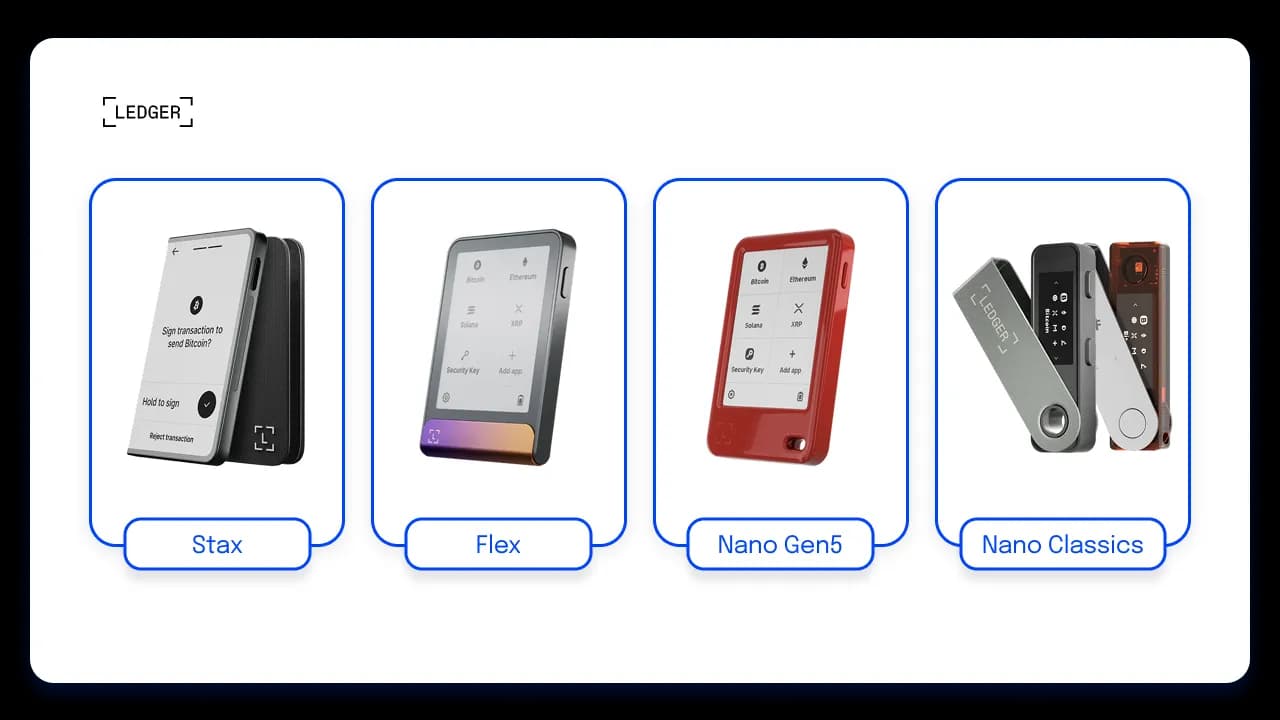
In our opinion, Ledger is best for mainstream multi-asset users, as it offers broad asset support, strong app compatibility, secure element-based design, and a clear signing focus. That makes it practical for users who hold assets across several networks and want one familiar wallet experience.
On the other hand, its main limitation is trust, as Ledger requires more confidence in the vendor and firmware model than some transparency-focused users prefer.
Trezor
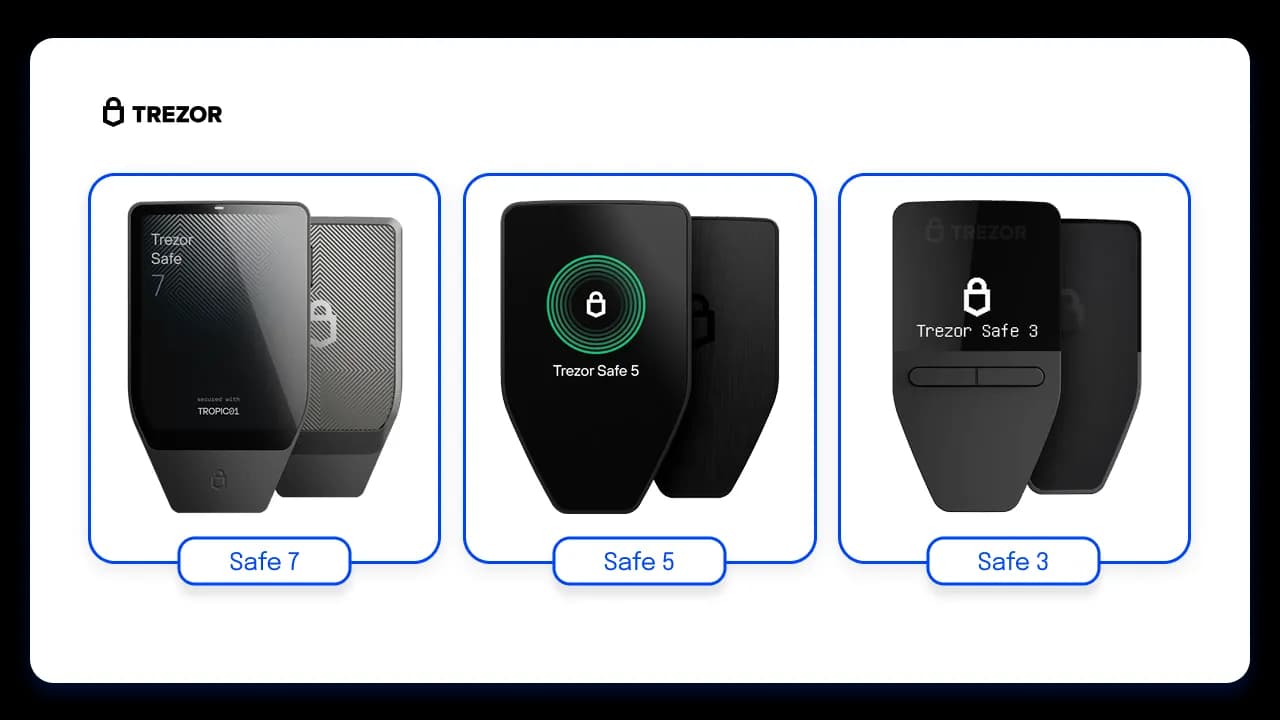
If transparency is what you are after, Trezor is best for you. The product has a very long history in self-custody, open-source heritage, and a trusted display model. Furthermore, newer Trezor Safe devices also add secure element protection.
Trezor’s main limitation is ecosystem depth, as it may not offer the same level of multi-asset app support and third-party integration as Ledger. If you use many chains, tokens, or DeFi apps, it is worth checking compatibility before choosing them.
BitBox02 Nova
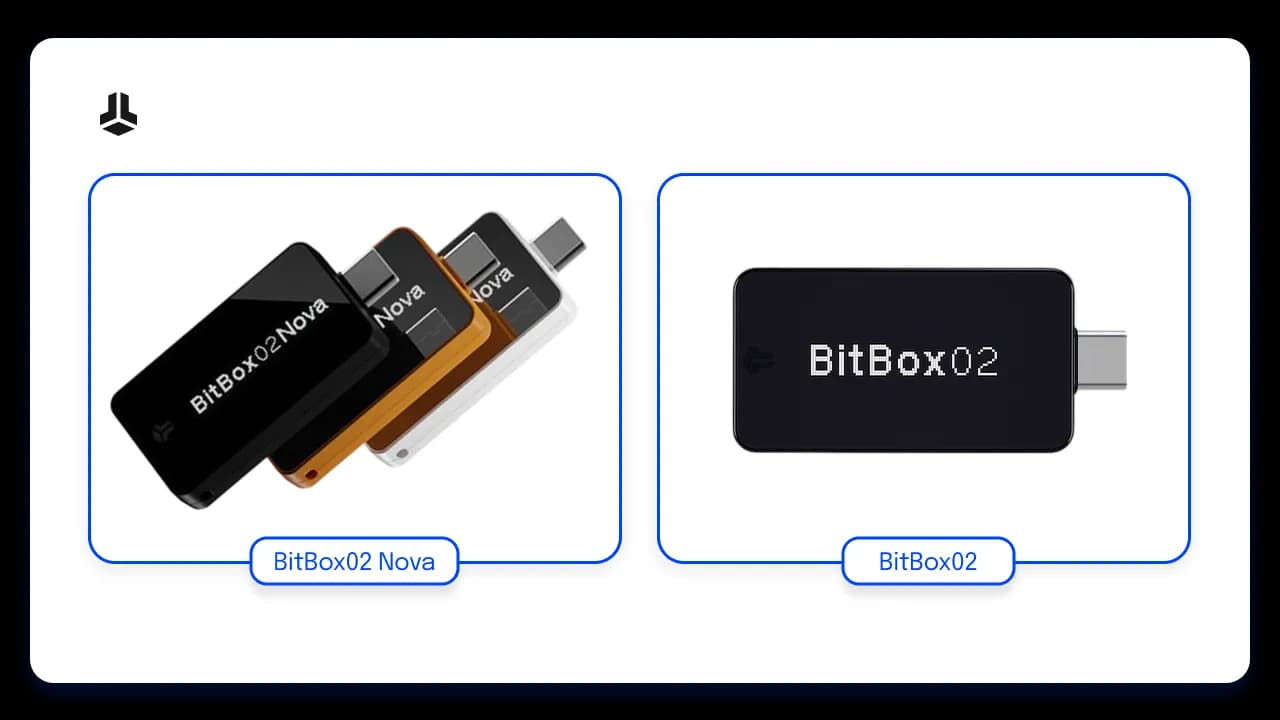
BitBox02 Nova is worth considering if you want a simple and focused hardware wallet. It is best suited for users who prefer minimalist, open-source self-custody, with open-source firmware, a clean security design, iPhone and iPad support, and a clear focus on long-term storage.
Its main limitation is ecosystem size. When compared to Ledger, for example, it offers a narrower set of options.
For users who want a focused self-custody wallet, BitBox02 Nova is a strong option.
Keystone 3 Pro
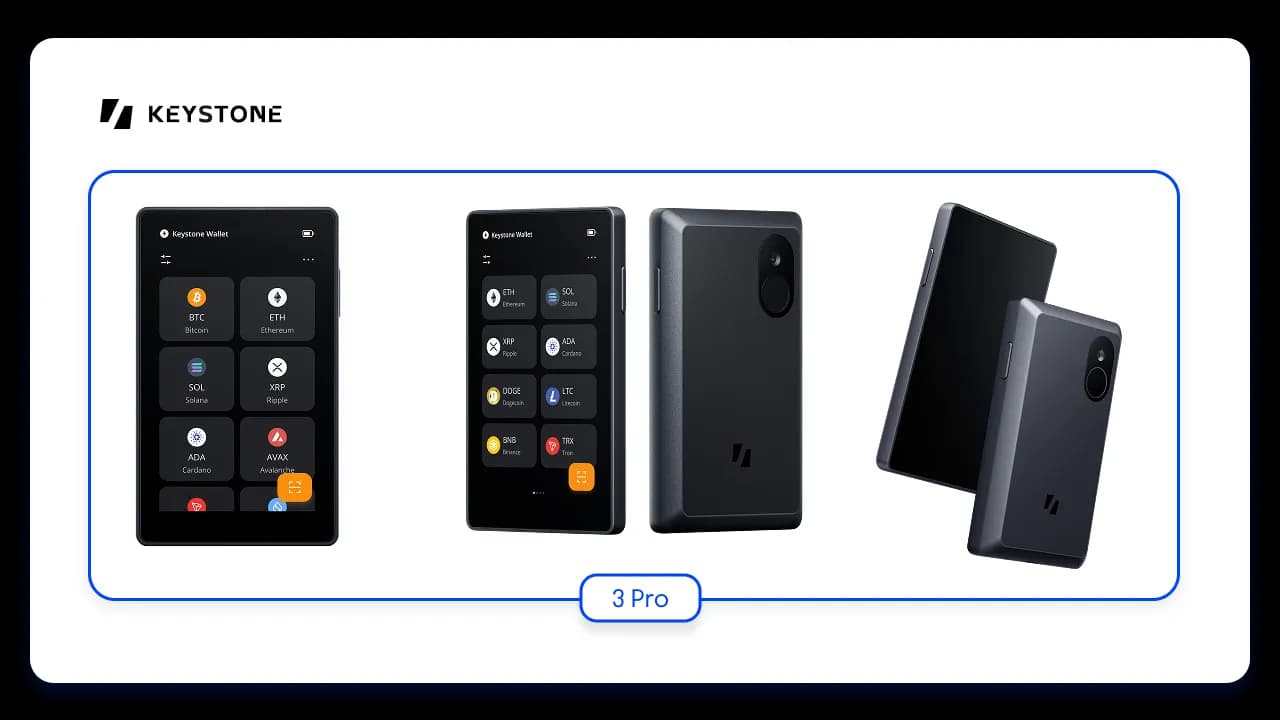
Moving on, we believe that Keystone 3 Pro is best for those users who would like a multi-asset wallet that is also air-gapped. It uses QR signing, has a relatively large screen, multiple security chips, and Shamir backup support. All of this makes this wallet very useful for users who want more separation from direct connection workflows.
The trade-off here is convenience, as most of the time, QR signing is slower than cable, Bluetooth, or NFC use.
NGRAVE ZERO
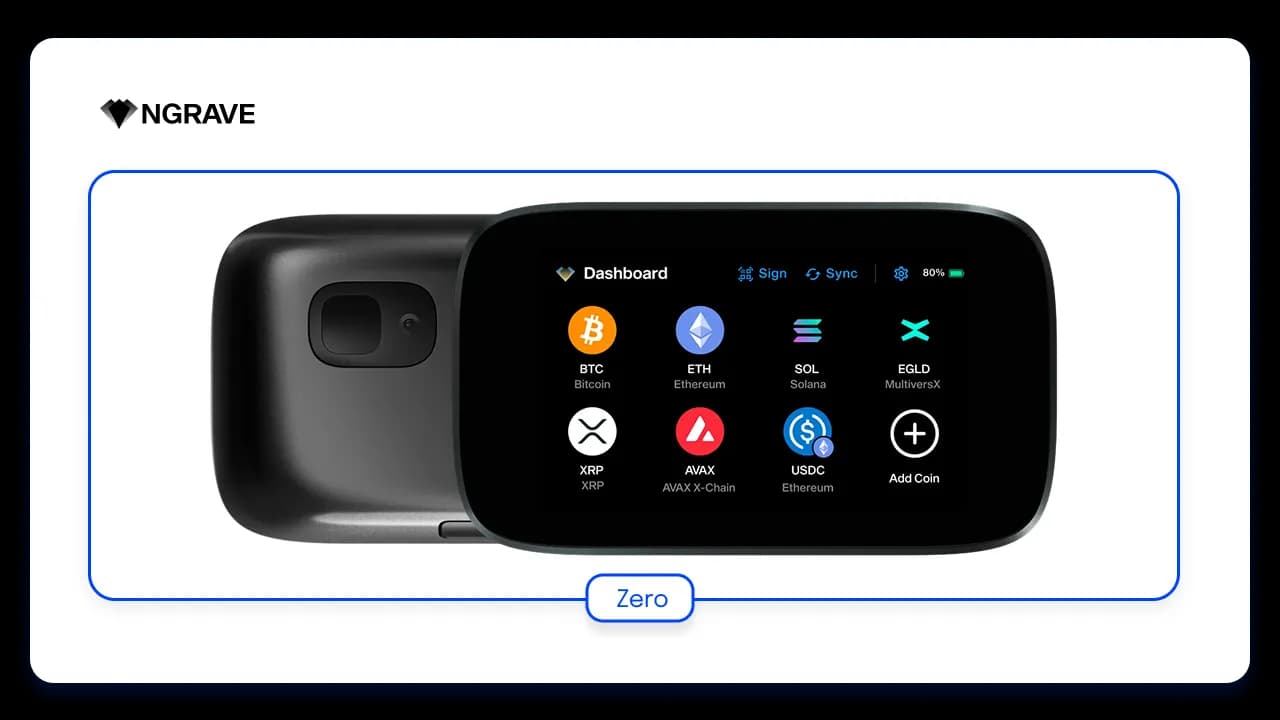
If you want premium security, then you must have a look at NGRAVE ZERO, as this product focuses on air-gapped signing, a premium backup system, and a security-first cold storage experience.
In contrast, its limitation is cost and ecosystem breadth, therefore making it better suited to users who value premium cold storage over frequent app-interaction.
Tangem
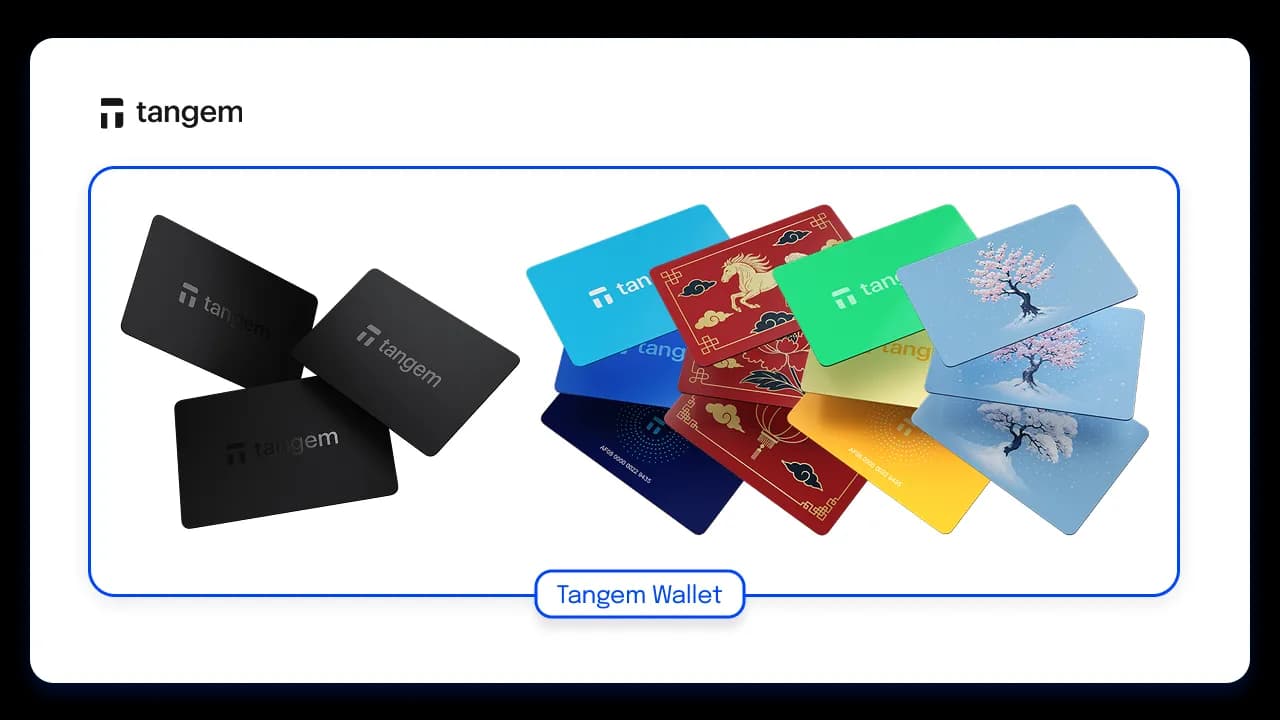
If you are looking at a mobile-first cold storage product, Tangem is probably your best option. It uses NFC cards and a mobile app, making onboarding simpler for users who dislike traditional hardware wallet workflows.
With regards to drawbacks, its main trade-off is verification. The card and ring do not have their own screen, effectively forcing users to rely more on the phone interface.
Cypherock X1
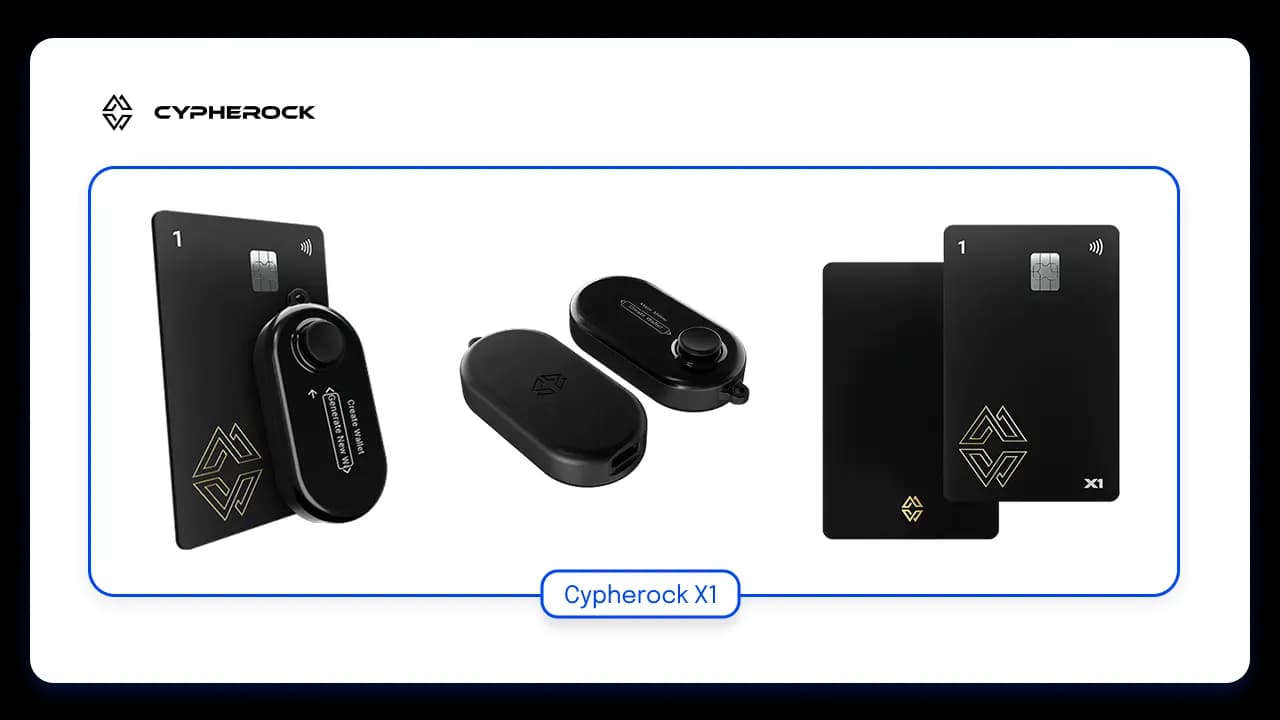
If you are looking to buy a product that helps to reduce the risk of having a single seed phrase, look into Cypherock X1. This hardware wallet removes the single seed phrase risk and single point of failure by splitting key control across a vault and cards, which can help with recovery and also inheritance planning.
Its limitation is definitely familiarity, meaning users need to understand the model before relying on it.
Coldcard
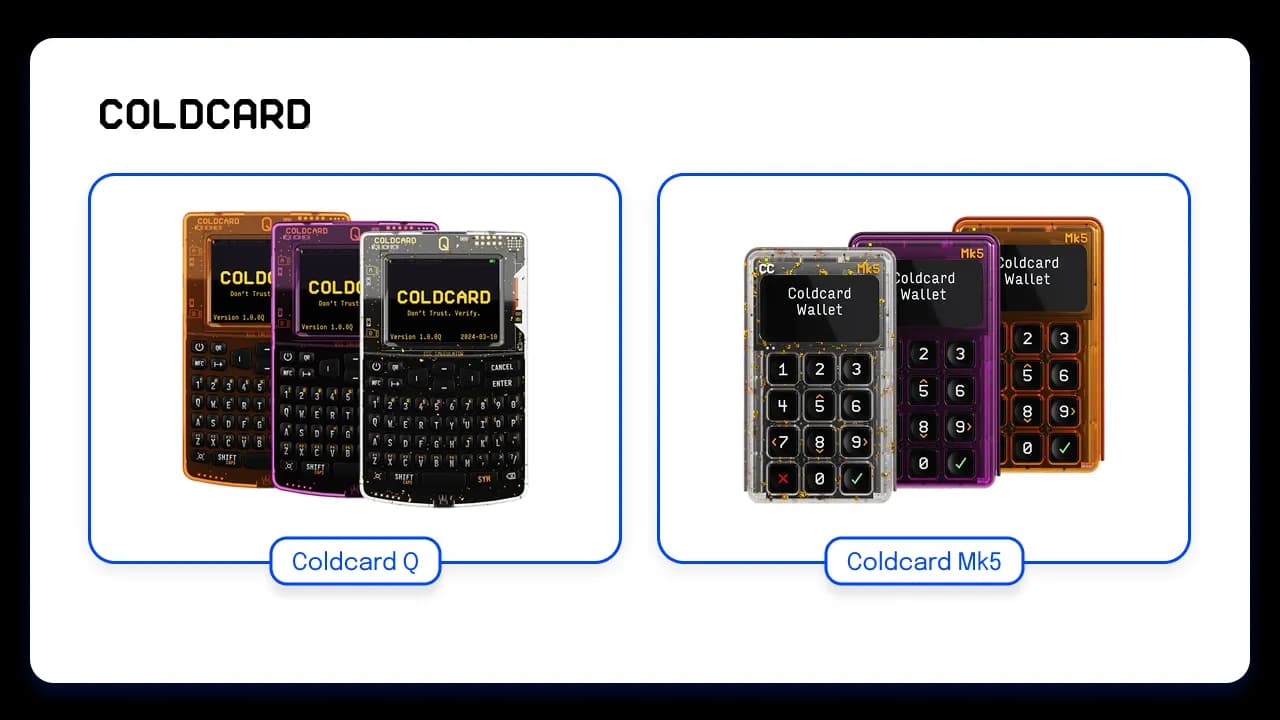
One of the most advanced Bitcoin hardware wallets is Coldcard. If you are looking for a Bitcoin-only wallet that provides advanced features, Coldcard is an excellent choice as it supports PSBT workflows, air-gapped options, and strong multisig use.
The main limitation regarding this product is usability. Coldcard is very powerful, but not a beginner-friendly product, and therefore, it suits experienced Bitcoin users who want detailed control.
Passport
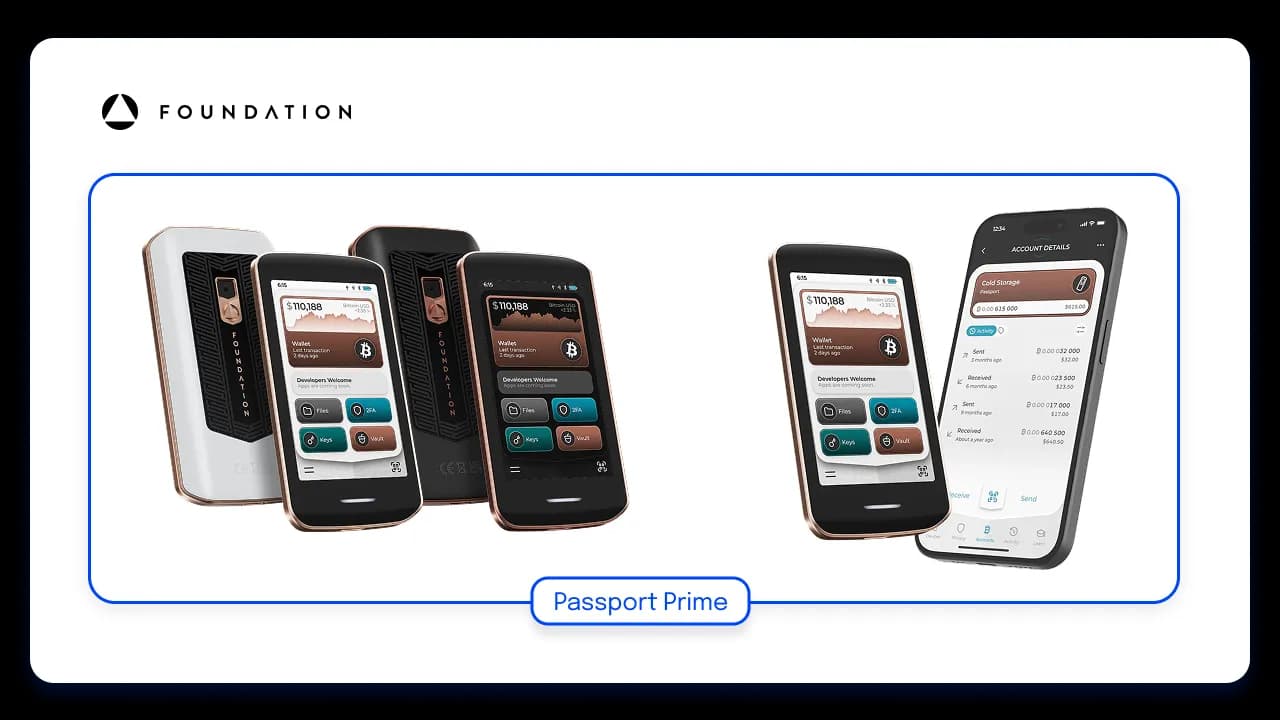
If you are looking for the most premium, Bitcoin first product, Passport is probably your choice. Passport combines a Bitcoin-focused approach with air-gapped operations, open-source principles, and very strong security documentation.
A Passport is not suitable for users who want broad multi-asset support. It is built for Bitcoin-focused self-custody, so it makes most sense for users who want a dedicated Bitcoin hardware wallet rather than a general crypto wallet.
Blockstream Jade
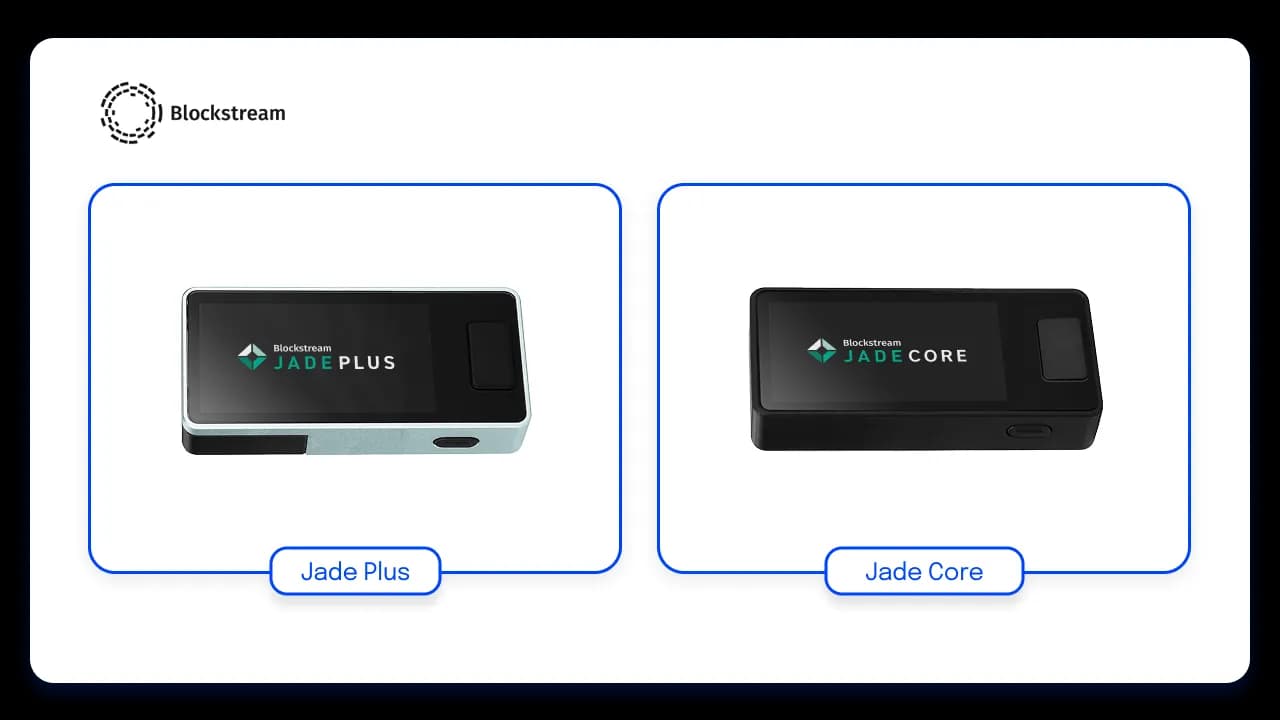
Blockstream Jade is best for Bitcoin-only users who want the best value for their money. This product is considered one of the best as it offers open-source hardware and firmware, air-gap capability, and an elevated Bitcoin experience.
On the other hand, similar to Passport, its limitation is asset support. Jade is Bitcoin-focused, which is useful for some users and unsuitable for others.
Bitkey
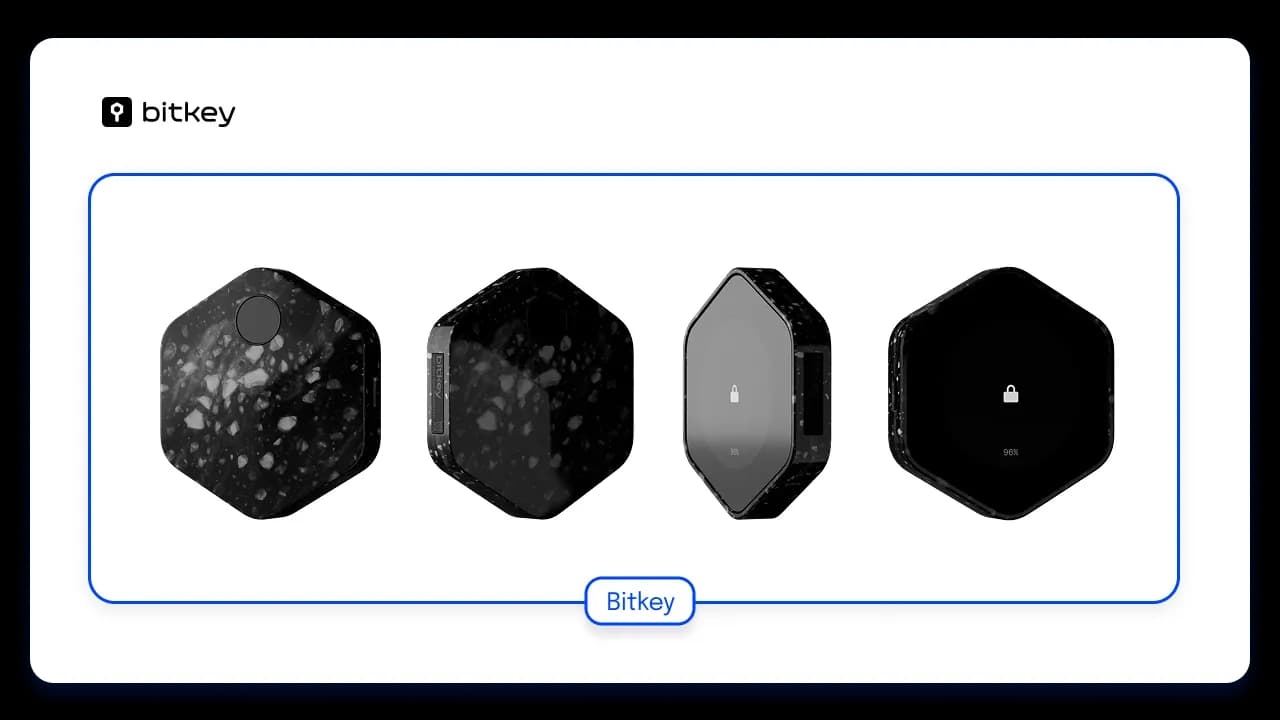
Our final product on the list is Bitkey. Bitkey is best for Bitcoin savers who want to avoid having a single point of failure by using a seed phrase. It uses a seed-free two-of-three recovery model and is designed to make Bitcoin self-custody less intimidating.
Bitkey’s main limitation is that its recovery model may not suit users who want a fully independent self-custody setup. Its two-of-three design can make recovery easier, but it also means users need to be comfortable with a company-assisted recovery layer.
Crypto Hardware Wallet Comparison Table
This table is not a ranking. Each wallet serves a different type of user.
| Wallet | Best For | Main Strength | Main Limitation |
|---|---|---|---|
| Ledger | Mainstream multi-asset users | Broad ecosystem | More vendor trust |
| Trezor | Transparency-focused users | Open source heritage | Limited ecosystem depth |
| BitBox02 Nova | Minimalist self-custody | Clean open-source design | Smaller ecosystem |
| Keystone 3 Pro | Air-gapped multi-asset users | QR signing | Slower workflow |
| NGRAVE ZERO | Premium security-focused users | Air-gapped design | Higher price |
| Tangem | Mobile first cold storage | Simple NFC cards | No screen on the card or ring |
| Cypherock X1 | Distributed backup | Reduces seed phrase risk | Less familiar model |
| Coldcard | Advanced Bitcoin users | PSBT and multisig | Not beginner-friendly |
| Passport | Premium Bitcoin users | Air gapped Bitcoin storage | Bitcoin only |
| Jade | Value-focused Bitcoin users | Open source Bitcoin design | Bitcoin only |
| Bitkey | Bitcoin recovery-focused users | Two-of-three recovery | Server-assisted model |
Ledger vs Trezor: Which Is Better?
Ledger vs Trezor has been a debate for a very long time, and although we would love to give a definite answer to which is best, it really depends on your priorities. Ledger is stronger for a multi-asset ecosystem depth, especially if you use many networks, tokens, and apps. In contrast, Trezor is stronger for open-source transparency and a clearer trust model.
The reality is that both are credible mainstream options. The best Ledger wallet is not automatically better than the best Trezor wallet, which basically means that Trezor vs Ledger is really a choice between ecosystem breadth and transparency.
Best Bitcoin Hardware Wallets
Bitcoin-only portfolios are very common, and therefore, it makes sense to ask the question: Which is the best Bitcoin-only wallet?
The answer here is that the best Bitcoin hardware wallet depends on whether you value control, simplicity, price, or recovery most.
Coldcard suits advanced Bitcoin self-custody, passport suits premium Bitcoin first air-gapped storage, while Jade is a strong value-focused Bitcoin hardware wallet. Furthermore, Bitkey suits Bitcoin savers who want easier recovery and inheritance planning.
Common Hardware Wallet Mistakes
A common bigger assumption is that by having your keys in cold storage, that automatically means that you are 100% safe from losing your funds, but unfortunately, that is not the case. Why? Hardware wallets do not remove user error.
Common mistakes include buying from unofficial sellers, using pre-initialized devices, typing a seed phrase into a website, saving recovery words in cloud storage, approving transactions without checking the device screen, using one wallet for long-term holdings and DeFi, ignoring firmware updates, and failing to plan for recovery or inheritance.
Final Verdict
The best crypto hardware wallet is not the one with the longest feature list. The right wallet depends on your assets, habits, recovery plan, and threat model.
Security depends on behaviour as much as hardware. Buy from official sources! Initialise the device yourself. Protect your backup. Read the device screen. Separate cold-storage from higher-risk activity, and importantly, plan recovery before you need it.
The best wallet is one you can use correctly and recover safely.
Frequently Asked Questions (FAQs)
What is the best crypto hardware wallet in 2026?
There is no single best option. Ledger, Trezor, BitBox, Keystone, NGRAVE, Tangem, Coldcard, Passport, Jade, Cypherock, and Bitkey serve different users.
What is the safest crypto hardware wallet?
Safety depends on the device, recovery setup, and user behaviour. No wallet is safest for every user and every situation.
Is Ledger better than Trezor?
Ledger is stronger for ecosystem depth. Trezor is stronger for transparency.
What is the best Bitcoin hardware wallet?
Coldcard, Passport, Jade , and Bitkey are strong Bitcoin-focused options.
Are seedless hardware wallets safe?
They can reduce seed phrase risk, but they introduce different recovery assumptions.
Can a hardware wallet be hacked?
Hardware wallets reduce private key exposure, but phishing, fake devices, malicious approvals, and poor backups remain risks.
Should I use a hardware wallet for DeFi?
A hardware wallet can help protect private keys, but it does not remove smart contract, frontend, or approval risks.
What happens if I lose my hardware wallet?
Recovery depends on the wallet’s backup system, such as a seed phrase, backup cards, distributed recovery, or a two-of-three recovery model.